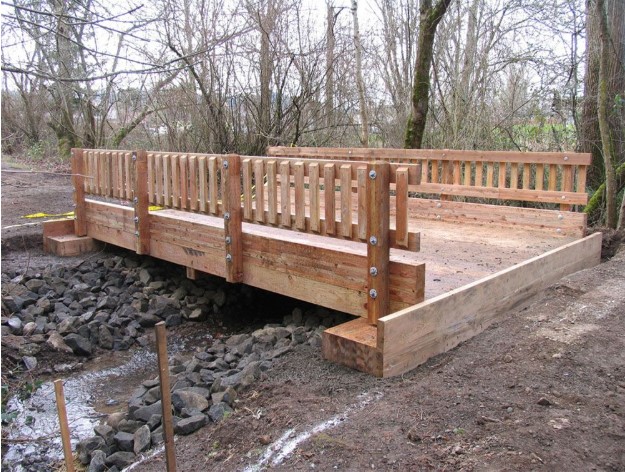
Public projects today search for materials that respect the environment while still offering strength, beauty, and long-term value. Timber has returned to the spotlight because it delivers all three. Communities want structures that look natural and feel connected to the land around them. Timber bridges meet that need. They create warm visual character, reduce environmental strain, and offer impressive performance when planned with care. This blend of charm and practicality makes timber a compelling choice for modern infrastructure.
Natural Advantages Of Timber Bridge Building
Timber bridge building refers to using engineered or natural wood for structural bridge components. The term covers everything from laminated beams to carefully treated timbers designed for durability. These materials bring a quiet, earthy quality to public spaces. They also store carbon rather than emit it, helping cities lower their overall footprint. When communities prioritize renewable resources, timber becomes a logical and responsible option.
Low Carbon Impact Through Timber Bridge Building
Timber bridge building reduces embodied energy because wood requires less processing compared to steel or concrete. That means fewer emissions from start to finish. Sustainable forestry practices further enhance its value by ensuring harvested trees are replaced. Many public agencies now include carbon accounting in their planning stages. Timber bridges often outperform alternatives by a wide margin, making them ideal for green-minded infrastructure goals. This emphasis on responsible sourcing strengthens the appeal of timber bridge building.
Efficient Construction Processes In Timber Bridge Building
Timber bridge building allows lighter components, faster assembly, and reduced onsite disturbance. Wood elements are frequently prefabricated, which shortens construction time and minimizes noise in surrounding neighborhoods. Crews appreciate the manageable weight, and communities benefit from fewer disruptions. When design teams pre-engineer these sections, the precision improves long-term performance and safety. These advantages reinforce the practical value of timber bridge building.
Environmental Harmony With Timber Bridge Building
Timber structures blend with natural landscapes more gently than concrete or steel alternatives. This visual harmony matters in parks, trails, and rural pathways where preserving scenery is essential. Timber bridge building ensures that infrastructure complements outdoor environments rather than competing with them. The renewable source of the material also aligns with conservation strategies adopted by many municipalities. As a result, residents gain both aesthetic and ecological benefits from timber-focused projects.
Long-Term Performance And Resource Renewal
Modern treatments and engineering methods extend the life of timber bridges far beyond early assumptions about wood durability. Today’s timber components resist moisture, pests, and general wear with impressive strength. Regular maintenance keeps them functional for decades. Unlike nonrenewable materials, wood’s life cycle naturally continues as forests regrow and supply new resources. This renewal process makes timber a long-term investment in environmental resilience.
Economic Value In Public Infrastructure
Timber can reduce cost pressures for public agencies by offering efficient installation and lower long-term energy impacts. Faster construction saves labor expenses and accelerates project delivery. Lightweight materials simplify transportation, and prefabricated sections reduce waste. Communities benefit from structures that are affordable, dependable, and environmentally responsible. This balance supports budget-conscious planning without sacrificing beauty or quality.
Conclusion
Timber has become a leading material for sustainable infrastructure because it brings environmental responsibility, strong performance, and economic efficiency to public projects. Timber bridges reflect a thoughtful approach to construction that respects natural resources while delivering dependable results. With careful planning, innovative engineering, and responsible sourcing, timber bridge building offers communities a practical path toward greener, more resilient infrastructure.

