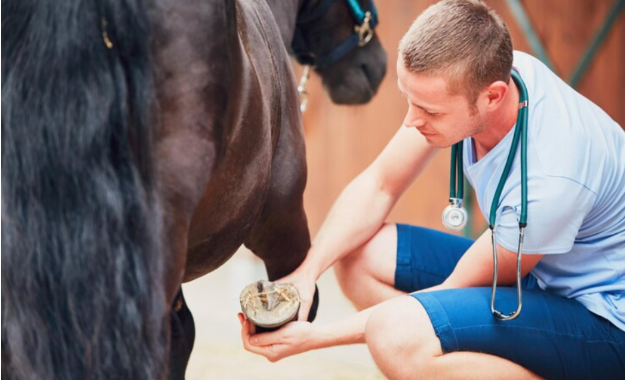
Navicular disease is a common cause of lameness in horses, affecting their movement and overall performance. This condition impacts the navicular bone and surrounding tissues in the hoof, leading to discomfort and difficulty walking or running. Understanding the importance of early diagnosis and proper care is essential for horse owners who want to maintain their animal’s health and mobility. With the right approach, navicular disease in horses treatment can significantly improve a horse’s comfort and ability to move freely.
Understanding Navicular Disease
Navicular disease occurs when there is inflammation or degeneration in the navicular bone, located in the back part of the horse’s hoof. This bone plays a crucial role in the horse’s movement, as it helps distribute pressure when the horse walks, trots, or gallops. Over time, stress on the hoof, poor conformation, or excessive workload can contribute to wear and tear, leading to pain and lameness. Recognizing the early signs, such as a shortened stride, reluctance to move, or shifting weight on the hooves, allows owners to seek treatment promptly and prevent further damage.
Early Diagnosis and Its Importance
Early diagnosis is a key factor in successful navicular disease in horses treatment. Veterinarians often use a combination of physical examinations, hoof radiographs, and sometimes MRI scans to assess the extent of damage. By identifying the problem early, it is possible to develop a treatment plan that minimizes discomfort and slows the progression of the disease. Delaying treatment can result in chronic lameness, which may severely impact the horse’s quality of life and limit its performance abilities.
Treatment Options for Navicular Disease
The approach to navicular disease in horses treatment depends on the severity of the condition and the individual horse’s needs. For mild cases, corrective shoeing or trimming can help redistribute weight and reduce pressure on the navicular bone. Horses may also benefit from anti-inflammatory medications to ease pain and swelling. In more advanced cases, specialized therapies such as shockwave treatment or platelet-rich plasma (PRP) injections can promote healing of the affected tissues. Each treatment option is designed to relieve discomfort, restore function, and improve the horse’s overall mobility.
The Role of Proper Hoof Care
Proper hoof care is essential in managing navicular disease. Regular trimming and balancing by a skilled farrier ensure that the horse’s weight is distributed evenly across the hoof, reducing stress on the navicular bone. In some cases, custom shoes or pads may be recommended to provide additional support. Good hoof hygiene, including cleaning and inspection, also prevents secondary problems such as infections, which could worsen lameness. By maintaining strong and healthy hooves, horses can move more comfortably and with less risk of further injury.
Benefits of Effective Treatment
When navicular disease in horses treatment is managed correctly, the benefits are clear. Horses experience reduced pain and improved stride, allowing them to perform better in riding, training, or competition. Enhanced mobility also supports overall health, as horses can maintain proper exercise routines and muscle tone. Furthermore, effective treatment can prevent the progression of the disease, helping horses remain active and comfortable well into their later years. Owners who follow veterinary guidance and provide ongoing care often see significant improvements in their horse’s well-being and quality of life.
Conclusion
Navicular disease can be a challenging condition for horses, but with early diagnosis and appropriate care, it is possible to maintain their mobility and comfort. Understanding the signs, seeking veterinary advice, and implementing navicular disease in horses treatment tailored to the individual animal can make a significant difference. Proper hoof care, corrective therapies, and ongoing monitoring are essential to ensuring that horses remain healthy, active, and able to enjoy a full range of motion. By taking these steps, horse owners can enhance their animal’s life and performance while reducing pain and discomfort associated with this condition.

